Pakistan has narrowly failed to meet the International Monetary Fund’s (IMF) annual target for education and health sector spending, falling short by Rs27 billion despite urgent developmental needs and persistent learning crises.
According to government sources, the combined expenditure by the federal and provincial governments in the last fiscal year reached Rs2.84 trillion—just shy of the IMF-mandated Rs2.86 trillion goal. This shortfall is even more significant when compared to the Rs3.08 trillion collectively pledged by the federal and provincial administrations in formal memorandums of understanding (MOUs) with the IMF—leaving a gap of Rs240 billion.
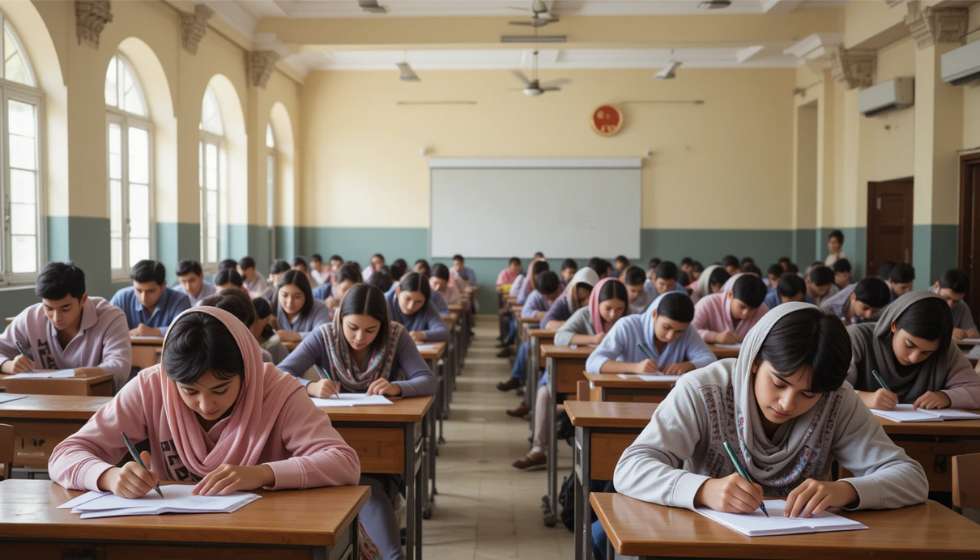
The IMF had set strict quarterly and annual ceilings for education and health spending to ensure these sectors received priority over fiscal surplus targets. The aim was to reverse a worrying trend: one in four children in Pakistan is currently out of school, and nearly half of fifth-grade students cannot read a simple grade-two Urdu passage.
Provincial Performance: Mixed Results
While the federal government and Balochistan exceeded their allocations, Sindh, Khyber Pakhtunkhwa (KP), and Punjab underperformed significantly.
- Punjab allocated Rs1.15 trillion for health and education but underspent by Rs35 billion. Health spending reached Rs505 billion against a Rs524.8 billion target (96%), while education saw Rs649 billion spent versus a Rs664 billion target (98%).
- Sindh, led by Chief Minister Syed Murad Ali Shah, spent Rs670 billion—falling short by Rs183 billion against its Rs853 billion target.
- Khyber Pakhtunkhwa missed its Rs600 billion goal by Rs55 billion, spending Rs545 billion.
- Balochistan exceeded its target by Rs25 billion, with Rs206 billion spent in total.
- The federal government surpassed expectations, spending Rs261 billion versus the Rs248 billion earmarked for the year.
Why the Shortfall Happened
Officials attributed the failure to “low absorption capacity” and weak administrative structures in certain provinces, which prevented timely utilization of allocated funds. The IMF report also highlighted persistent declines in real health and education spending since 2018, despite governments aiming to raise it to 2.4% of GDP.
Interestingly, the final quarter (April–June) saw a spending surge, with all five governments disbursing Rs937 billion—around one-third more than the Rs713 billion quarterly target. However, this late rush could not offset the slow pace in earlier quarters.
Commitments Moving Forward
During talks in May, Pakistani authorities assured the IMF they would strengthen provincial capacities in education and health budgeting and execution. They also committed to gradually increasing non-Benazir Income Support Programme (BISP) allocations in these sectors over the three-year IMF program, ensuring they take up a larger share of GDP.
With millions of children still deprived of quality education and public health challenges mounting, analysts warn that meeting future IMF targets will require not just higher allocations, but timely and efficient fund utilization—especially in provinces where institutional bottlenecks have long hindered progress.